Everything you need to know about snake safety at Ginninderry this summer
-
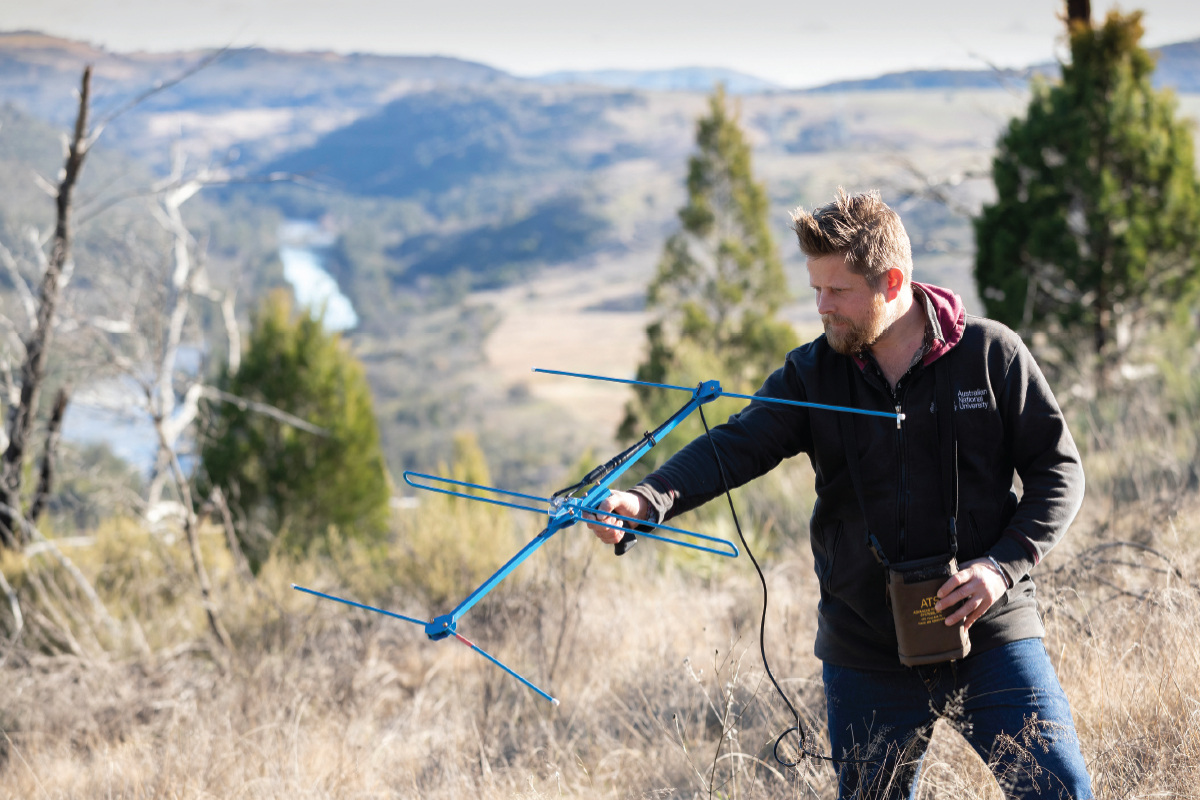
Gavin tracking snakes he has previously released
As temperatures rise and families spend more time outdoors, it’s worth refreshing our knowledge about the snakes we share our home with.
We spoke with qualified snake handler Dr Gavin Smith, Associate Professor at the Australian National University, to get expert advice on staying safe whilst respecting these important members of our local ecosystem.
The Canberra region is home to several dangerously venomous snake species, but here’s the crucial thing: these snakes have absolutely no interest in confronting you.
“Each of these species is keen to avoid coming into conflict with you but can actively defend themselves if they are feeling threatened or are provoked,” Dr Smith explains. “Snakes are timid and sensitive by nature and perceive you as a predator.”
The snake you might encounter on a hike or walk through the Conservation Corridor is far more frightened of you than you are of it.
When snake encounters are most likely
Dr Smith identifies three key periods to be particularly aware:
September to October: Peak mating season when snakes are more mobile and active.
December to January: When offspring hatch or are birthed.
March to April: When snakes are seeking their overwintering burrows.
For Ginninderry residents, this means spring through to autumn requires some awareness when walking trails, working in gardens, or playing outdoors.
What to do if you see a snake
Dr Smith’s advice is refreshingly straightforward: “Don’t panic. Remember, it belongs here and is not interested in having an adverse confrontation with you. Just leave the snake alone, get pets and children away from it, and give it the requisite room. It is that simple.”
Practical steps:
- Stop moving – Don’t get closer for photos.
- Keep calm – Your panic can agitate the snake.
- Call pets and children away quietly – No sudden movements.
- Back away slowly – Give the snake space.
- Wait it out – The snake will almost certainly leave.
Never attempt to catch, kill, or relocate a snake yourself. It’s illegal, and most bites occur when people try to interact with snakes.
Making your yard less attractive to snakes
While it’s impossible to completely “snake-proof” a yard, these measures help:
- Keep yards tidy: Remove rubbish and materials that provide shelter.
- Maintain vegetation: Keep grass short and dense vegetation trimmed.
- Reduce food sources: Limit rodent populations. Avoid rodenticides, which harm natural predators.
- Seal entry points: Check gaps in doors and fencing. Consider rodent mesh around your perimeter – sink it approximately 200 mm into the ground.
- Stack wood properly: Keep firewood off the ground in neat stacks.
These won’t guarantee a snake-free yard, but they significantly reduce the likelihood of snakes staying.
First aid preparedness
Whilst snake bites are extremely rare, being prepared is sensible:
- Familiarise yourself with recognised snake safety and first aid principles through accredited sources
- Keep basic first aid supplies, such as compression bandages, readily available
- Know emergency contact numbers
- Teach older children basic snake safety.
If a snake bite is suspected, apply a compression bandage to the limb or area where bitten, seek urgent medical assistance and follow the advice of emergency services or trained professionals.
Teaching children snake safety
For families with children who explore the Conservation Corridor:
- Teach children to watch where they’re walking and putting their hands
- Encourage staying on designated paths
- Explain that snakes should be respected, not feared or harmed
- Practice the “stop, stay calm, back away” routine
- Make clear that snakes should never be touched.
Dogs and snakes
To protect your dog:
- Keep them on-lead in bushland areas during warmer months
- Train a strong recall
- Consider snake avoidance training
- Be alert during early morning and evening walks
- If bitten, keep them calm and still, and get to emergency vet care immediately.
Practical summer safety tips
- Wear closed-toe shoes when walking in bushland
- Use a torch for outdoor movement after dark
- Keep pets inside or supervised during dawn and dusk
- Be extra cautious in long grass or near water
- Movement can create vibrations that alert snakes and may help reduce surprise encounters, but being aware is still key.
- Check children’s play areas before they head outside.

When you need professional help
If a snake is in your home or poses a genuine safety concern, contact a qualified snake handler for safe removal. Never attempt DIY snake removal – it’s not worth the risk, and it’s illegal to harm native snakes in the ACT.
For more information:
- Follow the Canberra Snake Tracking Project
- Contact Dr Gavin Smith for education courses
- Check ACT Parks and Conservation for local species information
- Learn snake bite first aid through St John Ambulance
Bordering bushland is part of what makes Ginninderry special, and understanding the wildlife we share this environment with — including snakes — helps keep our community safe and informed.
Be aware but not alarmed, and enjoy all the natural beauty that makes Ginninderry such a special place to call home.
For snake removal services or education courses, contact qualified snake handler Dr Gavin Smith. In case of snake bite, call 000 immediately.