A community of many languages: Celebrating diversity at Ginninderry
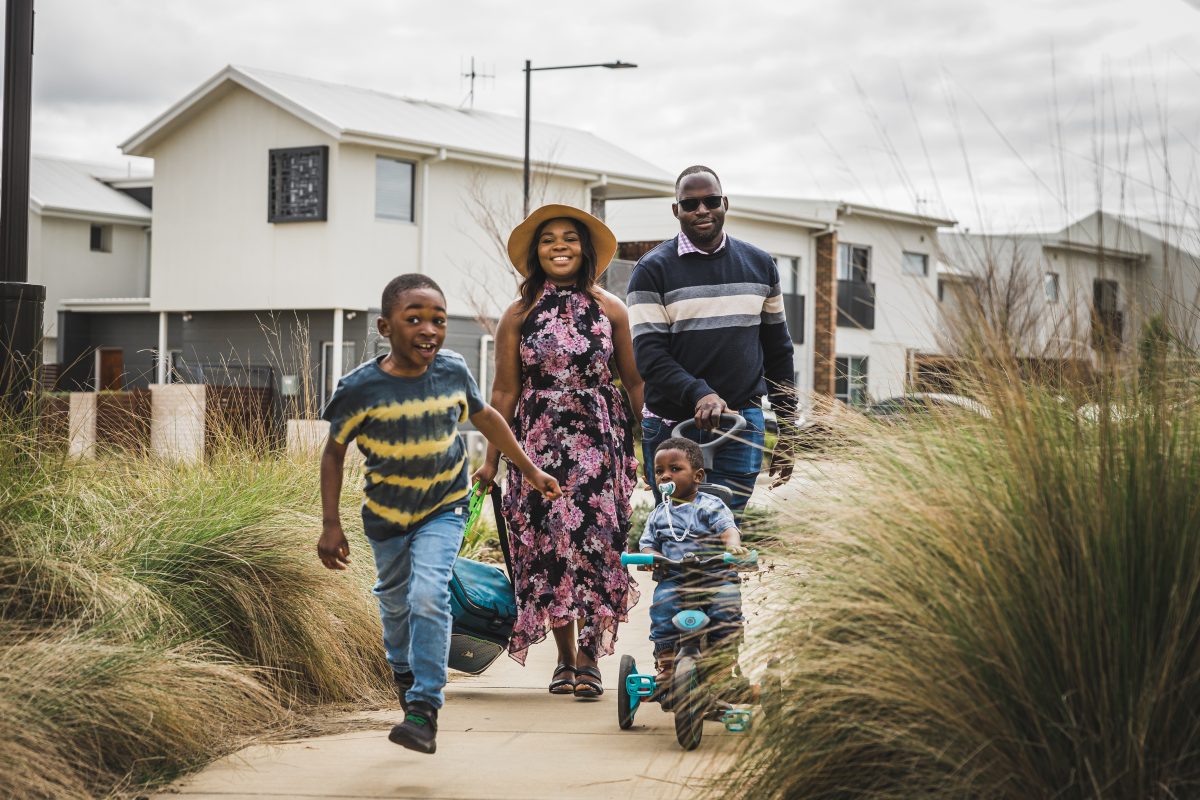
Ginninderry is more than a place to live: it’s a growing vibrant community shaped by people from many cultures and backgrounds.
Data from the 2021 ABS Census highlights just how linguistically diverse our neighbourhood has become, reflecting the richness that residents bring to everyday life.
While 44% of households speak English only at home, the majority of 56% speak a language other than English. This diversity is one of Ginninderry’s great strengths, contributing to a community that is globally connected, culturally rich, and inclusive.
A snapshot of our languages
Among residents who speak a language other than English at home, Indo-Aryan languages form the largest group. Punjabi, Nepali, Sinhalese, Urdu, Bengali, Hindi and Gujarati are all represented, showcasing strong South Asian cultural connections within the community.
Other language groups represented include:
- Southeast Asian Austronesian languages, such as Tagalog and Filipino
- Chinese languages, including Mandarin and Cantonese
- Arabic, Persian and Russian
- Polish, Tamil, Afrikaans, Khmer, French, Spanish and Thai
- And many more languages recorded under “Other”.
This diversity reflects a community that is internationally connected and culturally dynamic, where different traditions, foods, festivals and perspectives contribute to daily life.
Celebrating diversity at Strathnairn School
This remarkable linguistic diversity is beautifully reflected at Strathnairn School, where 67 students out of 107 speak or are exposed to languages other than English at home – that’s over 60% of the student body.
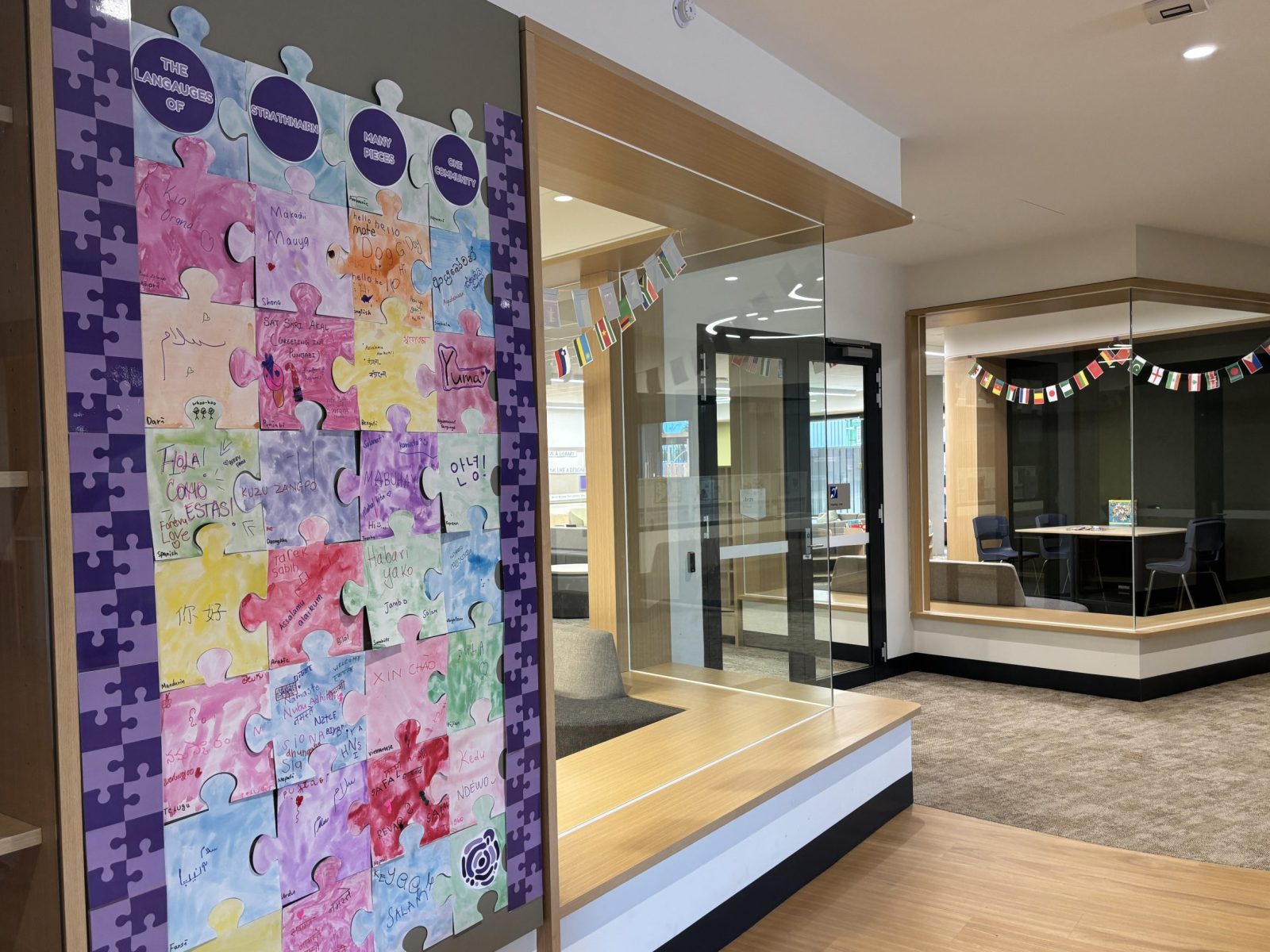
The school community represents an extraordinary range of languages: Nepali, Punjabi, Telugu, Filipino/Tagalog, Urdu, Malayalam, Sinhalese, Amharic, Igbo, Swahili, Bengali, Hindi, Arabic, Vietnamese, Tamil, Dzongkha, Mandarin, Tibetan, Khmer, Shona, Dari, Persian, Thai, and Burmese.
This incredible diversity enriches the classroom environment, exposing all students to global perspectives from their earliest years. It creates natural opportunities for cultural exchange, builds empathy and understanding, and prepares children for an increasingly interconnected world.
During orientation and the first week of school, families were invited to write “Hello,” “Greeting,” or a “Blessing” in their home languages on puzzle pieces. Students decorated and painted these pieces, which now hang in the foyer as the first thing visitors see when entering the building.
The school also celebrated International Mother Language Day by having all students learn to count 1, 2, and 3 in Nepali, the school’s most commonly spoken second language. Children will bring worksheets home to share with families, creating opportunities for multilingual students to teach their classmates, while English-speaking students gain appreciation for the complexity and beauty of other languages.
Embedding cultural celebration
Throughout the year, Strathnairn School will mark significant cultural days and festivals, including Lunar New Year, Eid, and Harmony Week. These aren’t token gestures or one-off assemblies – they’re integrated into the school calendar as important moments for the entire community to learn about and celebrate different cultural traditions.
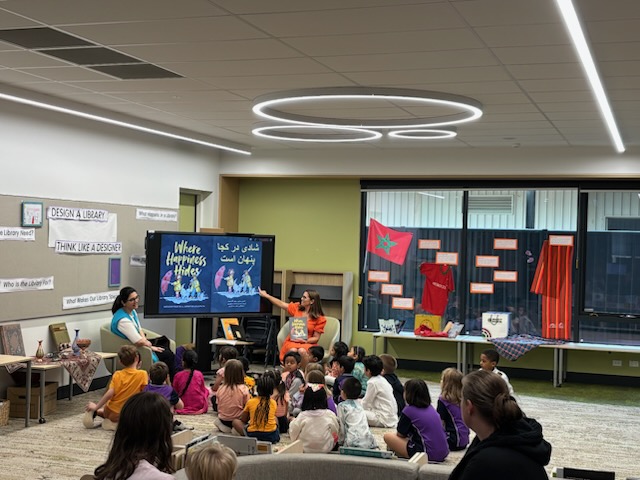
Harmony Week, celebrated recently in March, was a fantastic example of this – where students and families embraced the occasion by wearing cultural dress or orange, a symbol of inclusivity and respect. A highlight of the celebrations was the series of multilingual story times, where parents and educators gathered in the library to share stories in their home languages, including Sinhalese, Nepalese and Persian. These moments not only celebrated the richness of the school’s cultural diversity but also created opportunities for connection, understanding and pride among students and families alike.
The school is also working closely with Multicultural Hub Canberra to explore opportunities for cultural inclusivity education and community workshops, ensuring that the celebration of diversity extends beyond individual students and families to become embedded in school culture.
Supporting families
Recognising that linguistic diversity presents both opportunities and practical challenges, Strathnairn School is exploring partnerships to deliver meaningful support for families. This includes working with Navitas and AMEP (Adult Migrant English Program) to potentially offer free English language support, digital literacy, and settlement assistance to eligible migrants and humanitarian entrants.
This support is complemented by community-led initiatives such as the Café Stepping Stone Weekly English Conversation at Strathnairn Arts. Providing a relaxed and welcoming environment, the group offers the opportunity to practise English, build confidence and connect with others. It plays an important role in helping new community members feel supported, while strengthening social connections across cultures.
Creating a global community
A multilingual community enriches schools, workplaces, businesses, and social spaces by strengthening cross-cultural understanding. For children growing up in Ginninderry, this linguistic diversity provides invaluable exposure, as they learn alongside classmates whose families speak dozens of different languages.
When neighbours from different countries and cultures choose to make Ginninderry home, they bring more than just diversity, they bring the traditions, perspectives and experiences that transform a development into a genuinely global community.
As Ginninderry continues to grow, so too will the richness of its cultural and linguistic landscape. We look forward to gaining deeper insights from the upcoming 2026 Census, which will provide an updated picture of our evolving community and help inform how we continue to support and celebrate its diversity.