The stories behind Strathnairn’s street names
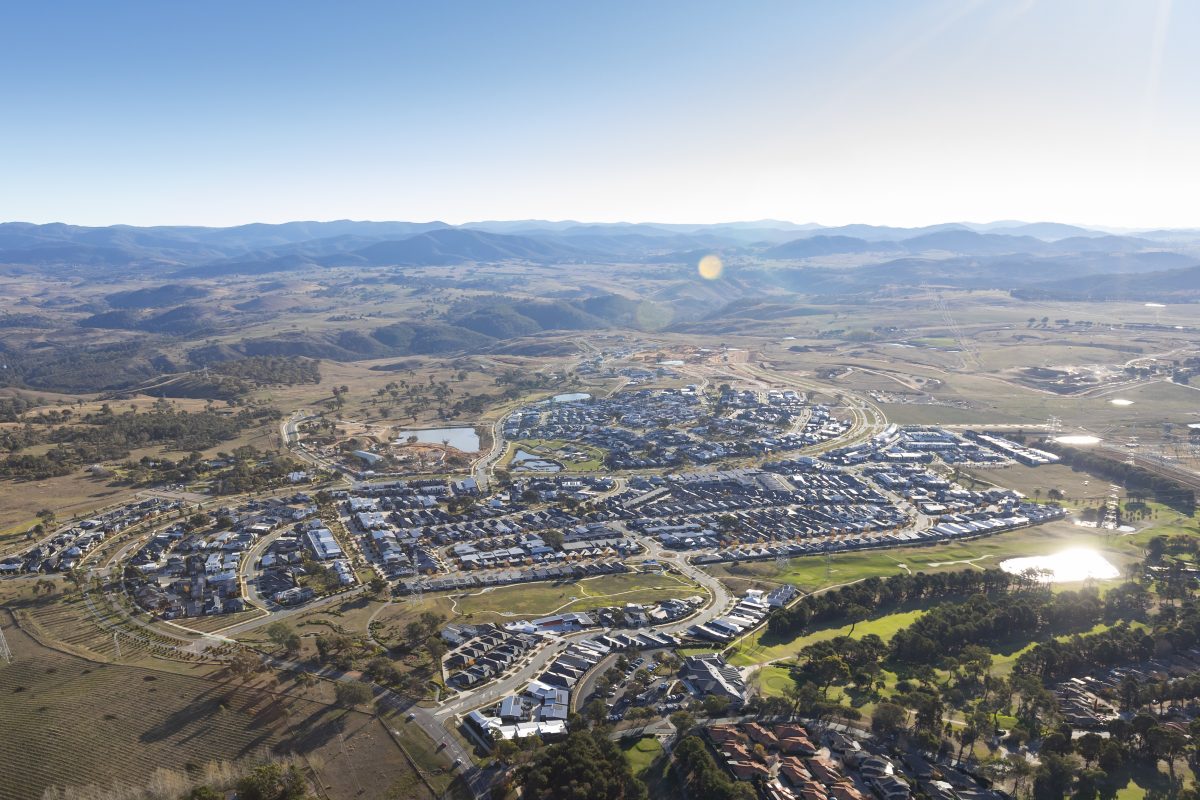
When you turn onto Asimus Avenue or stroll down Holzheimer Street in Strathnairn, you’re walking through Australian history. Every street name tells a story of innovation, advocacy, courage, and community service that shaped our nation’s primary industries and regional communities.
As Ginninderry’s first suburb, Strathnairn honours remarkable individuals and groups whose contributions deserve to be remembered. These aren’t just names on signs; they’re legacies etched into our community’s landscape.
Champions of the wool industry
Asimus Avenue celebrates David James Asimus AO (1932–2008), who brought the Australian wool industry back to life. As Chair of the Australian Wool Corporation from 1979-1988, his vision led to global promotion and modernisation of the industry.
Bob Whan Street remembers Robert Whan AM (1933–2015), Member for Eden-Monaro in the Whitlam Government and fierce advocate for rural constituents. His pioneering work in wool marketing continues to influence the industry today.
Rachel Makinson Street honours Dr Kathleen Rachel Makinson AM (1917–2014), a textile physicist who researched wool competing against synthetic fibres. In 1977, she became CSIRO’s first female Chief Research Scientist.
Isla Shilton Lane recognises Isla Milne Shilton OAM (1922–2015), who farmed in South Australia for over 30 years and lobbied for cheaper machine-washable wool in 1971.
Rural advocates and regional heroes
Grace Munro Crescent celebrates Grace Emily Munro MBE (1879–1964), who established the Country Women’s Association in New South Wales and lobbied for improved health services in rural areas.
Kaylock Street remembers Susie Olive Kaylock (1892–1959), widowed during World War I, who advocated for baby health clinics in regional centres and train facilities to assist travelling mothers.
Pagliano Street honours Muriel Josephine Pagliano AM (1926–1998), a fierce advocate for isolated rural families who volunteered on numerous government committees.
Holzheimer Street celebrates Thora ‘Toots’ Holzheimer (1934–1992), immortalised in Slim Dusty’s song ‘The Lady is a Truckie’. This pioneering woman provided essential supplies and support to remote Far North Queensland communities for over 30 years.
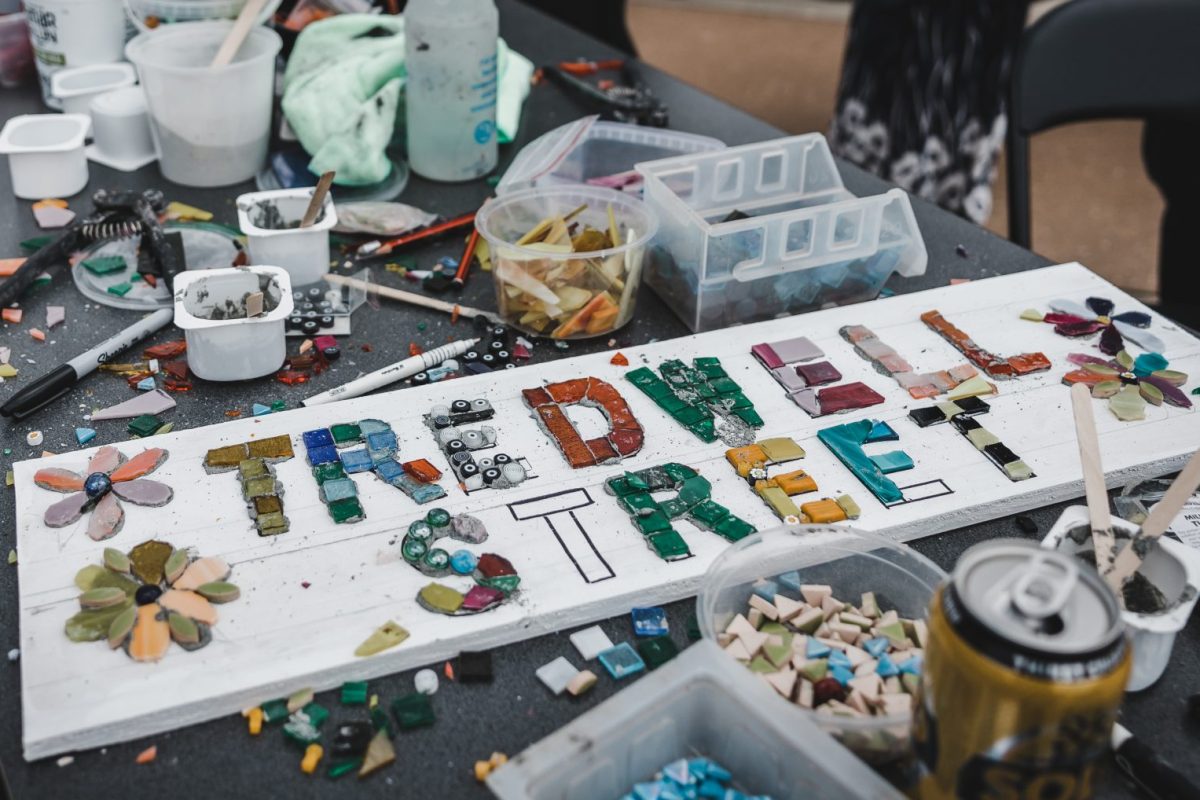
Tredwell Street is named after Robyn Maureen Tredwell (1950–2012), recognised for her leadership and contributions as a rural women’s leader, ecologist, farmer and nurse. Her work included sustainable land management and advocacy for rural communities.
Diverse contributors
Castagna Street remembers Michele Winifred Castagna OAM (1944–2016), who lived with quadriplegia whilst advocating for disability rights and multicultural diversity, serving on Alice Springs Town Council.
Clothier Street honours Hilton Arthur Clothier (1886–1959), who received the Military Medal for WWI bravery, established a wool brokerage in Queanbeyan, and was a founding member of the Queanbeyan Rotary Club.
Frearson Street celebrates Septimus Frearson (1849–1932), who migrated from London and convinced the Western Australian government to build the Coolgardie to Norseman railway.
Lemon Street recognises Alan John Lemon MBE (1926–2007), who introduced high oil sunflower seeds to Australia and established international marketing for new oilseed crops.
Jill Landsberg Terrace honours ecologist Dr Jennifer Jill Landsberg (1953–2005), who studied biodiversity conservation and made significant contributions to ecology and natural resource management.
Broadcasting and creative communities
Wyn Gilmour Court celebrates Mary Winifred ‘Wyn’ Gilmour (1908–1987), who hosted Canberra’s first women’s radio program in 1938. Known as ‘Auntie Wyn’, she comforted listeners during World War II whilst mobilising Canberra women to support war victims.
Blue Folk Lane honours the Blue Folk Community Arts Association, which entertained Canberrans in the 1970s and early 80s with performances at Strathnairn Homestead. The group strongly influenced Canberra’s arts scene.
The unexpected heroes
Cameleer Lane honours the camel drivers crucial to Australia’s wool industry. At least 2,000 cameleers and 15,000 camels arrived during 1850–1930, transporting wool bales from remote stations to ports and rail.
Ryko Street remembers Ted Ryko (1892–1968), who in 1914 rode his pushbike from Adelaide to Darwin – nearly 3,000 kilometres in a record-breaking 28 days. His ‘Top End’ photography forms a nationally significant collection.
Merino Lane celebrates the Merino sheep bred for fine quality wool. Strathnairn’s land once hosted a merino flock that placed third in the Merino Ewe Competition (ACT Division) in 1956.
Palisade Lane is named after the timber fence built around rural farmhouses. Before wire netting became widespread, it kept rabbits out and served as dingo-proof fencing.
Why these names matter
Street names aren’t arbitrary labels – they’re how communities choose to remember their history. Strathnairn’s naming recognises that Australia’s prosperity was built in regional areas where people worked the land, developed industries, and served communities.
These streets honour women who broke barriers, migrants who contributed to development, regional advocates who improved rural life, and everyday heroes who served with dedication.
To learn more about the history of Strathnairn and Ginninderry, come in and visit The Link, Ginninderry’s Community & Information Centre at 1 McClymont Way, Strathnairn.
The Link is open 9am – 5pm weekdays and 10am – 4pm on weekends.